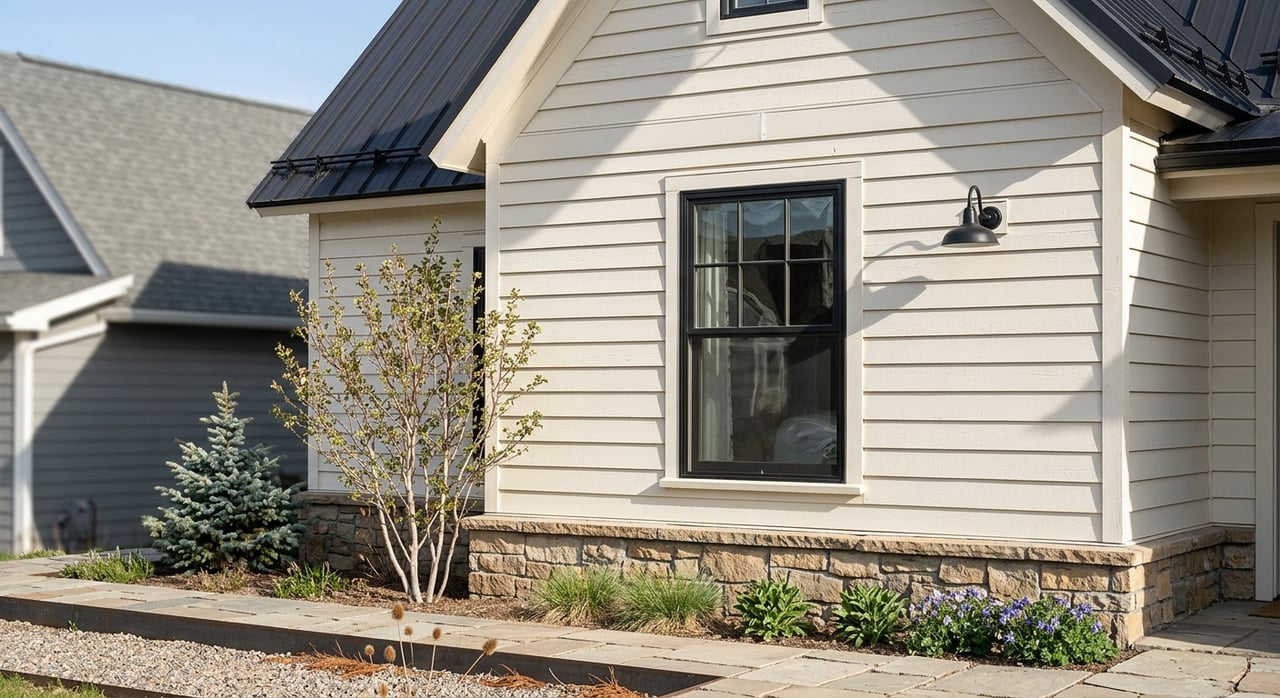
How to Sell a Historic Crested Butte Home Today
May 21, 2026
May 21, 2026
Selling a historic home in Crested Butte is not the same as preparing a typical resale. If you want to attract today’s buyer, you need to balance charm, comfort, and paperwork in a way that fits the Town’s review process. The good news is that you do not need to erase a home’s past to make it marketable. You just need a smart, credible plan. Let’s dive in.
In Crested Butte, exterior work on a historic home can involve review by Community Development staff, BOZAR, and the Design Review Committee before a building permit is issued. The Town says its design guidelines help maintain Historic District status, and formally reviewed projects typically take at least two months. That makes timing one of the most important parts of your prep strategy.
Gunnison County also describes Crested Butte as a registered National Historic District and historic mining town. That context matters because buyers often expect these homes to carry both character and constraints. When your prep respects both, your listing tends to feel more trustworthy.
Before you spend money on updates, confirm the property’s zoning, whether the home is treated as historic, and what exterior work has already been approved. BOZAR notes that historic properties may require more detailed design review, and the Town directs owners to the zone-specific design chapters, including the historic preservation chapter when applicable.
Even minor exterior changes can trigger review. The Town uses the BOZAR application for work such as window or door replacements, and it also requires materials list forms that are referenced during inspections. For larger changes, such as certain demolition or relocation work, separate applications may be required.
Because formally reviewed projects take at least two months, many sellers should begin planning well before they want to list. A 6- to 18-month window can give you time to sort out records, make thoughtful decisions, and avoid rushing into changes that may not help your sale.
If your records are incomplete, request them early. The Town says it keeps a maximum of two years of documents online, and older files may need to be requested through the Town Clerk. That step can help you confirm whether past exterior work was handled properly.
This matters because buyers often want a clear history. Missing approvals can create hesitation, while organized records can make your home feel easier to understand and easier to trust.
For many historic homes, the best first move is not a full cosmetic overhaul. Preservation guidance from the National Park Service says deteriorated historic features should be repaired rather than replaced when possible. If replacement is necessary, the new work should match the original design, color, texture, and, where possible, materials.
That approach fits Crested Butte well. In a market where historic character is part of the appeal, keeping original elements can strengthen your home’s story instead of making it feel generic.
Historic windows are one of the clearest examples of a repair-first strategy. The National Park Service says energy performance alone is usually not a reason to replace historic windows. It also notes that storm windows and weatherstripping can significantly improve performance while keeping original windows in place.
For a seller, that can be a practical middle path. You may be able to improve comfort without taking on a bigger review process or losing details that buyers value.
The same thinking applies to porches, trim, masonry, and decorative details. The National Park Service says that once replacement becomes extensive, a building’s historic integrity can be weakened.
In simple terms, buyers are often not looking for a historic home that feels brand new. They are looking for a home that feels well cared for, functional, and true to itself.
Today’s buyers notice efficiency, especially in an older home. In the 2025 sustainability survey from the National Association of REALTORS®, 37% of REALTORS® said windows, doors, and siding were the most important green home features for clients. The same survey found that 47% said rebates or tax credits would increase demand for sustainable homes the most.
That does not mean you need a major renovation. It means buyers are often responsive to improvements that make the home feel warmer, tighter, quieter, and less costly to operate.
Air sealing and insulation are often among the least intrusive upgrades. The U.S. Department of Energy recommends caulk and weatherstripping, and says a home energy assessment can help identify the best opportunities. ENERGY STAR says sealing air leaks and adding attic insulation can save up to 10% on annual energy bills.
In a historic Crested Butte home, these improvements can often deliver value without changing the exterior character. That makes them especially useful when you want better performance with less review complexity.
Mechanical systems can shape a buyer’s first impression just as much as finishes do. The Department of Energy says that combining equipment maintenance with insulation, air sealing, and thermostat settings can save about 30% on an energy bill. It also recommends regular filter changes and efficient equipment choices.
NAR also recommends servicing HVAC systems and using a smart thermostat. For an older home, clear signs of maintenance can help reassure buyers who may worry about aging systems.
Windows are a special case in historic homes because comfort and preservation often need to work together. ENERGY STAR says high-performing windows or storm windows improve comfort, and its Home Upgrade materials estimate that ENERGY STAR windows lower household energy bills by an average of 12%.
If original windows remain, storm windows and weatherstripping may help you improve day-to-day livability while preserving historic character. That combination can be easier for buyers to appreciate than a visible change that feels out of step with the home.
Some buyers compare older homes to new construction and worry about future repairs. NAR reports that new-construction buyers are often drawn to newer homes because they want to avoid renovations or problems with systems such as plumbing or electricity.
You cannot turn a historic home into a new build, but you can reduce uncertainty. Serviced heating equipment, documented repairs, and notes on recent upkeep can help your home feel more dependable.
Good records are part of good marketing, especially for a historic property. Buyers want to understand what has been done, what was approved, and what materials were used. In a town with formal historic and design review, a clean paper trail can be just as persuasive as fresh paint.
Your file should include BOZAR approvals, permits, contractor invoices, product specifications, warranties, service histories, and any energy-audit or weatherization documentation you have. The Town’s BOZAR materials also note that materials list forms are referenced during inspections, which adds another reason to keep these records organized.
Start by collecting records for any exterior work, including:
Because BOZAR approval is required before building permits are issued, buyers may want to see that prior work followed the proper process.
If substitute materials were used in past repairs, keep notes on why they were chosen and what original feature they replaced. The National Park Service says substitute materials can be acceptable when repair is not feasible, as long as they are visually and physically compatible.
That explanation can help reduce buyer concern. It shows that changes were made thoughtfully, not casually.
Historic-home buyers often want clarity more than perfection. In Crested Butte, some of the most likely questions are straightforward:
If you can answer those questions clearly, your home will often feel more approachable to a wider pool of buyers.
The most marketable historic-home strategy is usually not a full modernization. In Crested Butte, it is often a careful mix of code-aware repairs, subtle comfort upgrades, and transparent documentation. That approach aligns with the Town’s review requirements, preservation guidance, and what buyers tend to value in older homes.
At The O’Brien Group, we see strong seller prep as part design judgment, part technical planning, and part buyer psychology. When your home shows authentic character, improved comfort, and a well-documented history, you give buyers something they want: confidence.
If you are thinking about selling a historic home in Crested Butte, Jennifer O'Brien can help you create a prep plan that respects the property, the Town process, and today’s buyer expectations.
Stay up to date on the latest real estate trends.
Our energy and enthusiasm shine through in our work for buyers and sellers. We know that listening is the best way to understand our client’s needs and we work with an unrivaled sense of personal commitment to producing results.