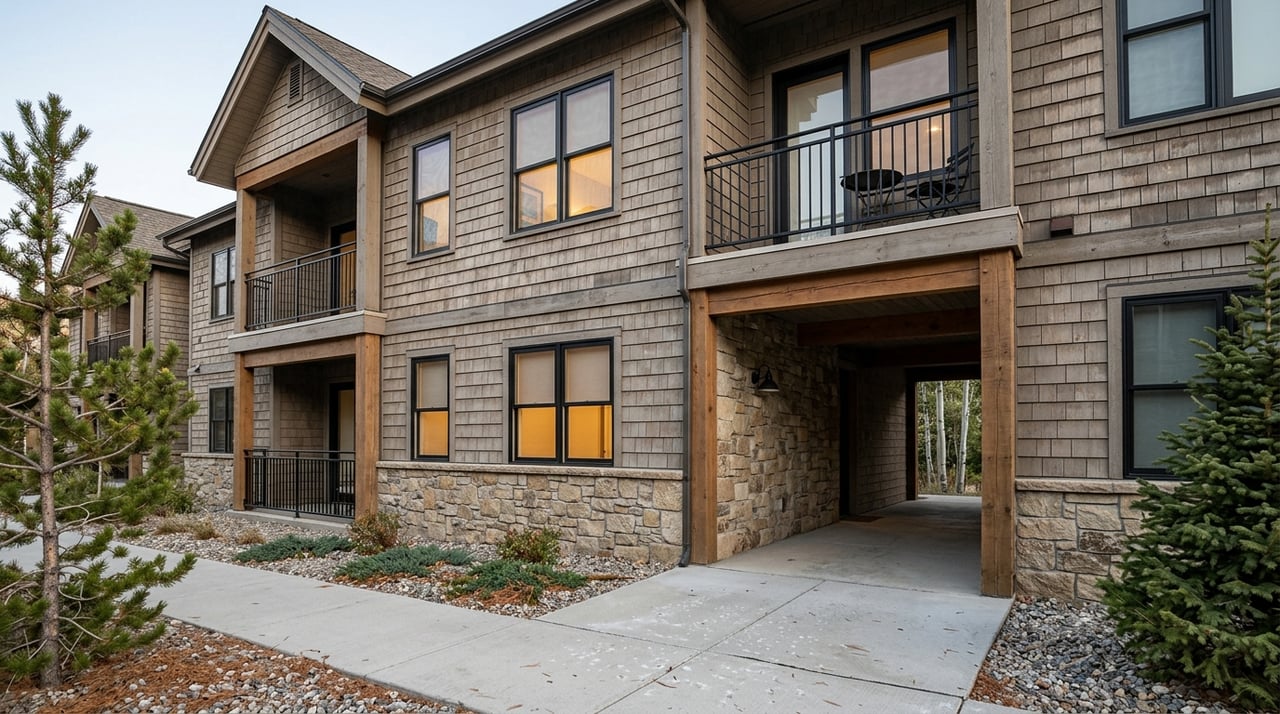
How to Evaluate a Mt Crested Butte Rental Condo
June 4, 2026
June 4, 2026
If you are thinking about buying a condo in Mt. Crested Butte for personal use and short-term rentals, it is easy to focus on views, finishes, or the walk to the lifts. But rental potential usually comes down to something more practical: when guests want to visit, how easy the condo is to use, and whether the building and town rules support your plan. If you want to make a smarter purchase, this guide will help you evaluate the details that matter most in Mt. Crested Butte. Let’s dive in.
Mt. Crested Butte is not just a winter market. Official tourism sources describe the Crested Butte area as a year-round mountain destination, with targeted seasonal marketing designed to grow lodging demand and airline seats.
That matters if you are comparing condos for rental use. Instead of relying on one short high season, you are looking at a market with multiple demand windows across the year.
Winter remains the anchor season for many condo owners. The busiest stretches typically include Christmas and New Year’s, Presidents’ Day weekend, MLK weekend, and spring break, when resort activity is at its strongest.
For buyers, that means winter-ready convenience matters. A condo that works smoothly during snow, busy parking periods, and guest arrivals in peak weeks can have a practical advantage.
Summer is a major part of the rental picture in Mt. Crested Butte. Visitor information for the valley notes that July has the highest number of travelers of any month, and summer demand is supported by events, mountain biking, and trail access.
The resort also promotes its bike park and the valley’s extensive trail network. If you are evaluating rental potential, a condo that appeals to both ski visitors and summer travelers may offer broader demand.
Fall is not just an afterthought in this market. Tourism information points to late September through mid-October as a typical window for fall colors, with continued interest in hiking and biking.
That can help extend the useful rental calendar. A condo that is easy to market beyond ski season may perform better than one that only feels compelling for winter guests.
Not every attractive condo is an easy rental. In Mt. Crested Butte, guests often value convenience just as much as style, especially when they are arriving for a short stay.
Free local transit is a meaningful part of the guest experience here. The Mountain Express serves Crested Butte and Mt. Crested Butte, and the Gunnison Valley RTA also serves Mt. Crested Butte.
At the same time, the resort notes that lodging guests should confirm parking with the property, and base-area parking is available but paid. That makes assigned parking, clear guest parking rules, or easy shuttle access especially important when you are comparing buildings.
In this market, guests often shop for more than square footage. Resort lodging filters highlight features such as ski-in/ski-out access, shuttle access, pool, hot tub, dining, Wi-Fi, and kitchen setups.
That does not mean every condo needs every amenity. It does mean the building’s amenity package, combined with the unit’s layout, can shape how appealing the property feels to renters.
A condo can look great on paper and still be hard to manage. For short-term rental use, simpler units often have an edge because they are easier to clean, inspect, maintain, and reset between guests.
This is especially relevant in winter. Since the Town of Mt. Crested Butte requires an initial inspection, periodic life-safety spot checks, and proper license posting, it helps to think early about whether the building setup supports smooth operations.
Before you estimate income, you need to confirm the property can legally operate the way you want. In Mt. Crested Butte, short-term rental rules are a core part of the buying decision.
Any property advertised or rented for 29 nights or less must have a short-term rental license. The town states that there is currently no limit on STR licenses and no zoning restrictions, but advertising or renting without a valid license can lead to fines of up to $1,000 per day.
The application is completed online through MUNIRevs, and paper applications are not accepted. If you are buying with rental use in mind, that process should be part of your planning from day one.
The town requires each STR to identify a local representative. If that person changes, the update must be reported within 10 days, and the representative’s driver’s license must show they live within 45 minutes of Mt. Crested Butte.
This requirement affects how hands-on you can realistically be as an owner. If you live out of area, you will want to think carefully about whether you plan to self-manage with local support or hire a property manager.
As of the town’s current FAQ, a new STR license costs $400 and a renewal costs $325. There is also a $10 per person occupancy fee based on how many people the property is advertised to sleep.
Licenses are issued by calendar year, and renewal applications are accepted from August 1 through November 2. Units are also subject to periodic life-safety inspections, and the license number must appear on ads while the physical license must be posted on or near the front door.
Mt. Crested Butte states that short-term rentals and lodging properties should collect 18.8% on guest stays. The town also says that gross short-term rent includes non-optional fees such as booking, cleaning, pet, and extra-vehicle charges.
Depending on how a listing is set up, tax remittance may be monthly, quarterly, or annual. The town’s FAQ also notes that tax handling can vary by platform, so this is an important detail to confirm before you rely on projected net income.
A condo may look rental-friendly online and still have restrictions that change the whole picture. In Colorado, the relationship between an owner and an HOA is governed by the association’s documents, and those documents are the key source of truth.
Colorado guidance explains that HOA rules follow a hierarchy that includes the Declaration or CC&Rs, Articles of Incorporation, Bylaws, Governance Policies, Rules and Regulations, and Design Guidelines. There is no central repository for all HOA governing documents in Colorado, so buyers usually need to request them through the broker or listing side once under contract, and in some cases through the county clerk and recorder for the declaration.
That is why document review matters so much. You want the actual rules, not assumptions based on how other owners appear to use the building.
When you review an HOA for STR use, focus on the issues that affect both flexibility and carrying costs. Useful questions include:
The town’s STR document list also references items such as a Good Neighbor Policy, HOA Parking Approval Form, Local Representative & Owner Authorization Form, and Affidavit of Residency. Those are good reminders that building-level details and town compliance often overlap.
Rental potential is not only about demand. It is also about how the property will actually operate after closing.
The town allows owners to use a property manager, but it still requires a local representative and compliance with licensing, tax, inspection, and posting rules. In practice, most buyers are deciding between self-management with local help, a local vacation-rental manager, or a resort or HOA-linked management option if the building offers one.
The best fit depends on how often you plan to use the condo yourself and how involved you want to be. A more hands-off setup may reduce stress, while a more direct approach may offer more control.
When buyers first look at rental potential, they often focus on nightly rates and occupancy. That is important, but it is only part of the picture.
You also need to think about dues, taxes, licensing costs, cleaning coordination, maintenance response, parking logistics, and how guest issues are handled during peak periods. A condo with slightly lower revenue potential but smoother operations can sometimes be the better long-term fit.
If you want a simple framework, evaluate each Mt. Crested Butte condo through three lenses: demand, convenience, and rule clarity.
A strong candidate will often check most of these boxes:
That kind of review can help you avoid buying a condo that looks exciting at first glance but becomes complicated once you own it.
In Mt. Crested Butte, rental potential is rarely about one single feature. It is usually the result of seasonal demand, building convenience, HOA flexibility, and a workable operating plan.
If you are buying with both enjoyment and income in mind, the best move is to look past surface-level appeal and study how the condo will perform in real life. That is where careful local guidance can make a real difference.
If you are weighing condos in Mt. Crested Butte and want help thinking through rental use, HOA questions, and property-specific pros and cons, reach out to Jennifer O'Brien for thoughtful, local guidance.
Stay up to date on the latest real estate trends.
Our energy and enthusiasm shine through in our work for buyers and sellers. We know that listening is the best way to understand our client’s needs and we work with an unrivaled sense of personal commitment to producing results.