What to Know About New Construction in Crested Butte South
June 25, 2026
June 25, 2026
Thinking about buying new construction in Crested Butte South? It can be exciting to get a newer home, modern systems, and a layout that fits mountain living, but in CB South, the real story goes far beyond finishes and fixtures. If you want to buy with confidence, you need to understand how the lot, approvals, utilities, and site design all shape what you are really getting. Let’s dive in.
Crested Butte South is more than a typical subdivision. It sits within Gunnison County’s special-area framework, which means new construction must meet county rules along with CB South’s own covenants and design-review requirements.
For you as a buyer, that matters because a newer home is not automatically a simpler purchase. In many cases, buildability, site fit, and compliance are just as important as the floor plan, kitchen design, or number of bedrooms.
New construction in CB South starts with the Property Owners Association design-review process. The Design Review Committee requires a pre-design conference, and approval there comes before the county permitting stage.
After POA approval, stamped plans, the approval letter, and a tap-fee voucher go to Gunnison County for permitting. County review can involve planning, building, environmental health, wildlife conservation, and public works, so a home’s paperwork and approval path are part of the due diligence.
If you are buying a completed newer home, it helps to confirm that the process was followed correctly. If you are buying a lot or partially completed project, that review becomes even more important.
In CB South, a home’s value is often tied closely to the lot and how the house fits on it. A beautiful new build on a difficult site can bring ongoing challenges that are not obvious during a quick showing.
Residential setbacks in the covenants are 25 feet from the front and rear lot lines and 15 feet on the side yard for a family residence. On top of that, the design guidelines require 60% of the residential development land area to remain in natural or improved open space, excluding roads, parking, sidewalks, decks, and small landscape strips.
That means the usable building envelope may be tighter than you expect. If you are comparing homes or lots, it is smart to ask whether the site comfortably supports the home, parking, open space, and snow storage without forcing awkward compromises.
Utility easements are reserved across the front and or rear of each lot, and along some sidelines, typically 8 to 10 feet wide. Structures or vegetation cannot interfere with those easements, and storage is not allowed in setbacks or easements.
This can affect where you place sheds, fences, landscaping, or other outdoor improvements. For buyers who want gear storage, extra parking, or a more customized yard, these details matter.
At this elevation, snow is not a minor seasonal inconvenience. NOAA climate normals for Crested Butte show the station at 8,867 feet with about 203 inches of annual snowfall and an annual mean temperature of about 34.2°F.
That mountain climate shapes how homes are designed and how lots function in winter. In CB South, the guidelines require 33% of all plowed areas to be set aside for on-site snow storage, and those areas must be shown on the site plan.
Parking on roads is not permitted, so each property needs to handle its own winter realities. When you buy new construction here, it is worth asking a simple question: Where does the snow actually go?
Driveway access must meet county standards. Driveways need an all-weather surface, a minimum width at the road of 18 feet, and a flat 20-foot section at the start and end.
The rules also do not allow backing out onto a public road. On paper, that may sound technical, but in practice it affects daily convenience, guest access, snow removal, and long-term usability.
All water and sewer service in CB South must connect to the Crested Butte South Metropolitan District. For buyers considering a lot or a home in progress, utility status is a key checkpoint.
The district’s tap fee increased to a $25,000 base rate for an EQR effective January 1, 2026. The district also publishes a $45.19 monthly base meter-billing rate that includes 6,000 gallons.
You will also want to account for association assessments, which help fund roads, snow removal, drainage, and common-area upkeep. These are not small background details in a mountain community. They are part of the real cost of ownership.
CB South allows several residential product types, including single-family homes, accessory dwelling units, duplexes, townhouses, condominiums, and multi-family buildings. However, the allowed type can depend on the filing.
For example, multi-family units are limited to Filings 1 and 2, while ADUs and townhouses are allowed in Filings 1 through 4. If you are buying with future flexibility in mind, the filing matters just as much as the lot size.
The covenants set minimum sizes and clear height limits. A single-family unit must be at least 1,200 square feet, duplex or multi-family units must be at least 650 square feet per unit, and a studio must be at least 400 square feet.
Residential buildings are limited to two stories above finished grade. Pitched-roof homes are capped at 32 feet from average grade, while flat-roof homes are capped at 20 feet.
These limits tend to push homes toward more compact mountain forms rather than sprawling single-story layouts. In many newer CB South homes, that shows up as vertical floor plans, efficient footprints, and storage built into the design.
The design guidelines require at least one single-car garage or shed or storage building per new residence. A garage must be at least 10 by 20 feet.
That helps explain why many newer homes lean into garage-plus-mudroom or garage-plus-gear-room layouts. In a place where skis, bikes, tools, and winter equipment are part of daily life, dedicated storage is a practical feature, not just a nice extra.
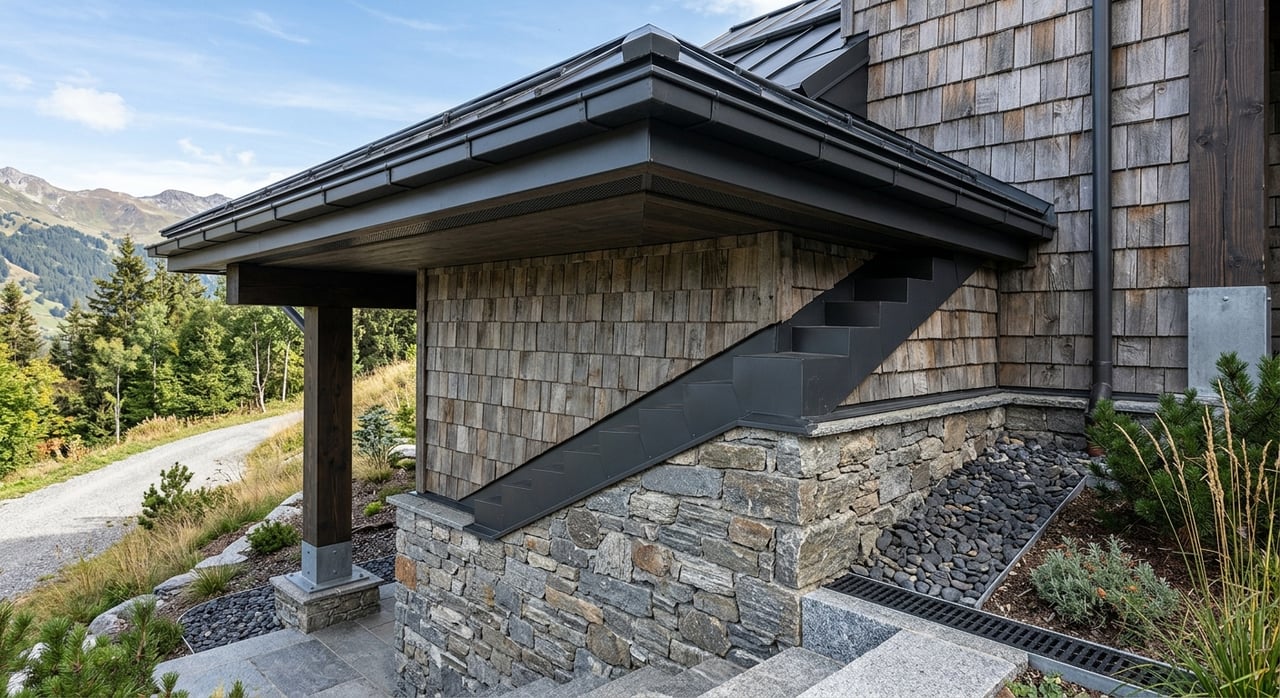
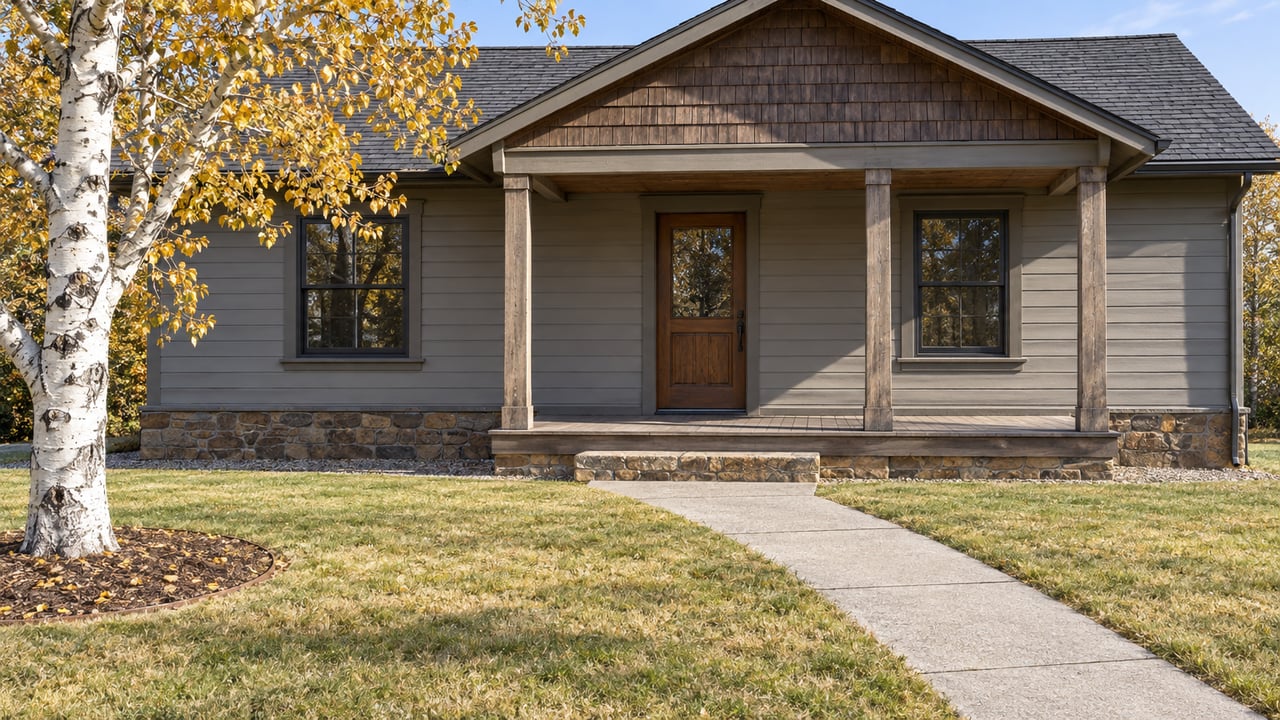
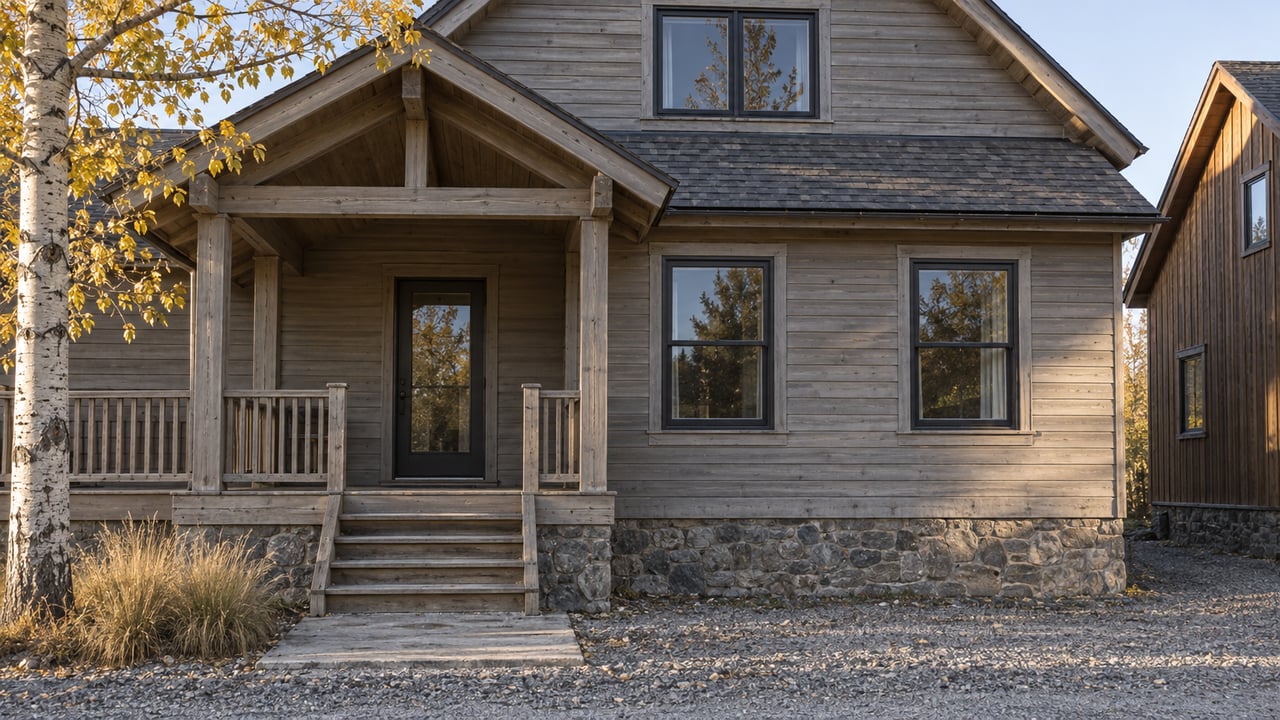
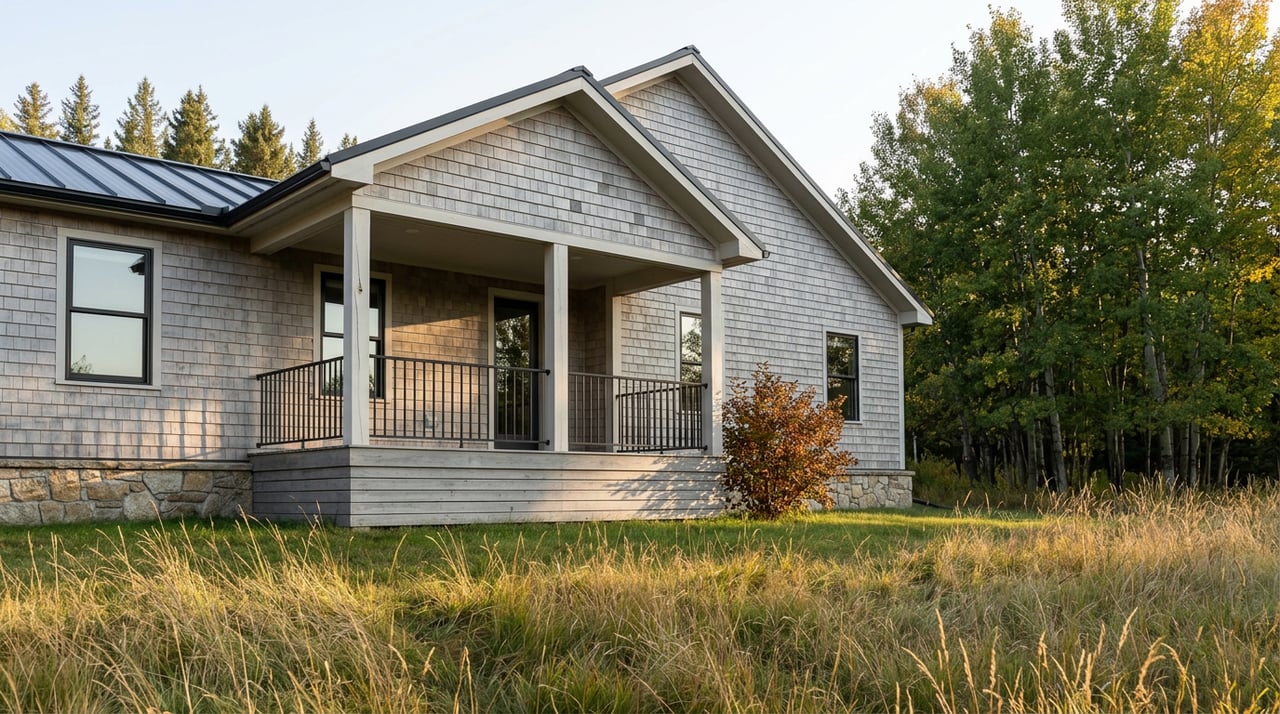
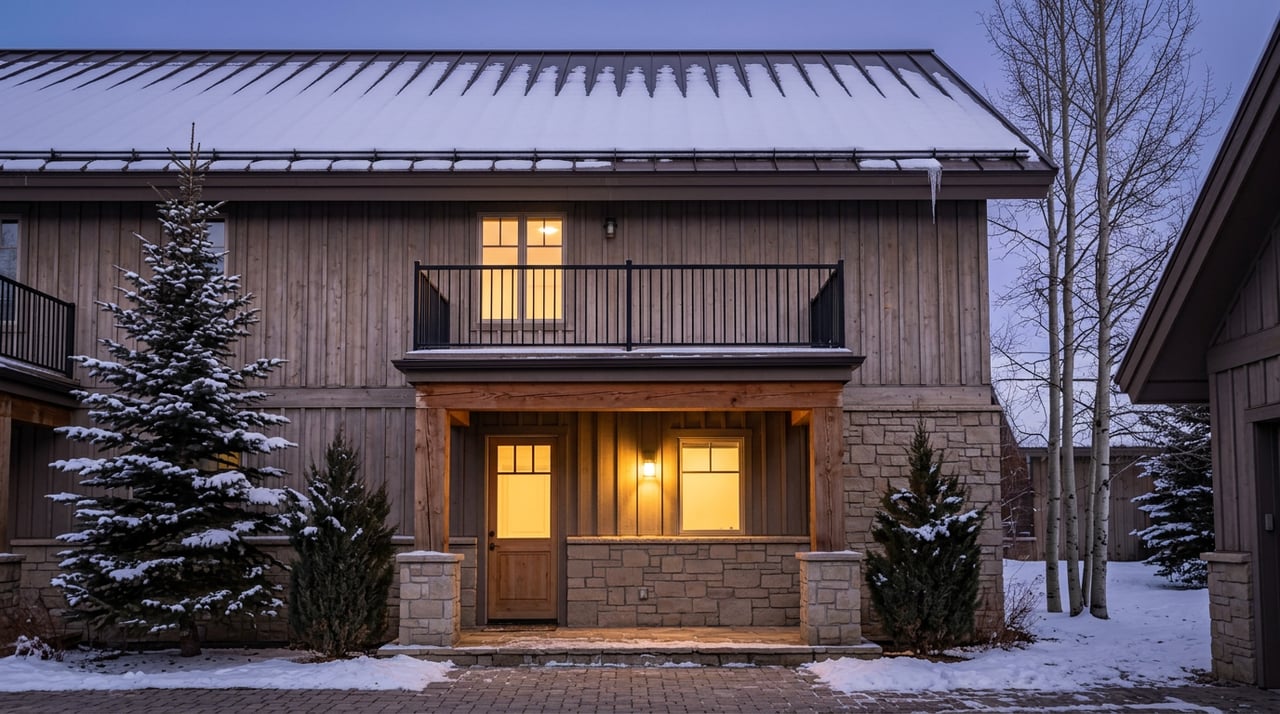
CB South has a defined architectural direction. The neighborhood is intended to read as traditional mountain architecture, with features like broken roof forms, steep pitches, porches, dormers, and varied massing.
The rules also limit certain materials. Plywood, paneling, artificial rock paneling, plastic siding, and rolled membrane roofing are prohibited, roof materials must be nonreflective, and metal siding is generally limited to 30% of exterior siding unless the DRC approves more.
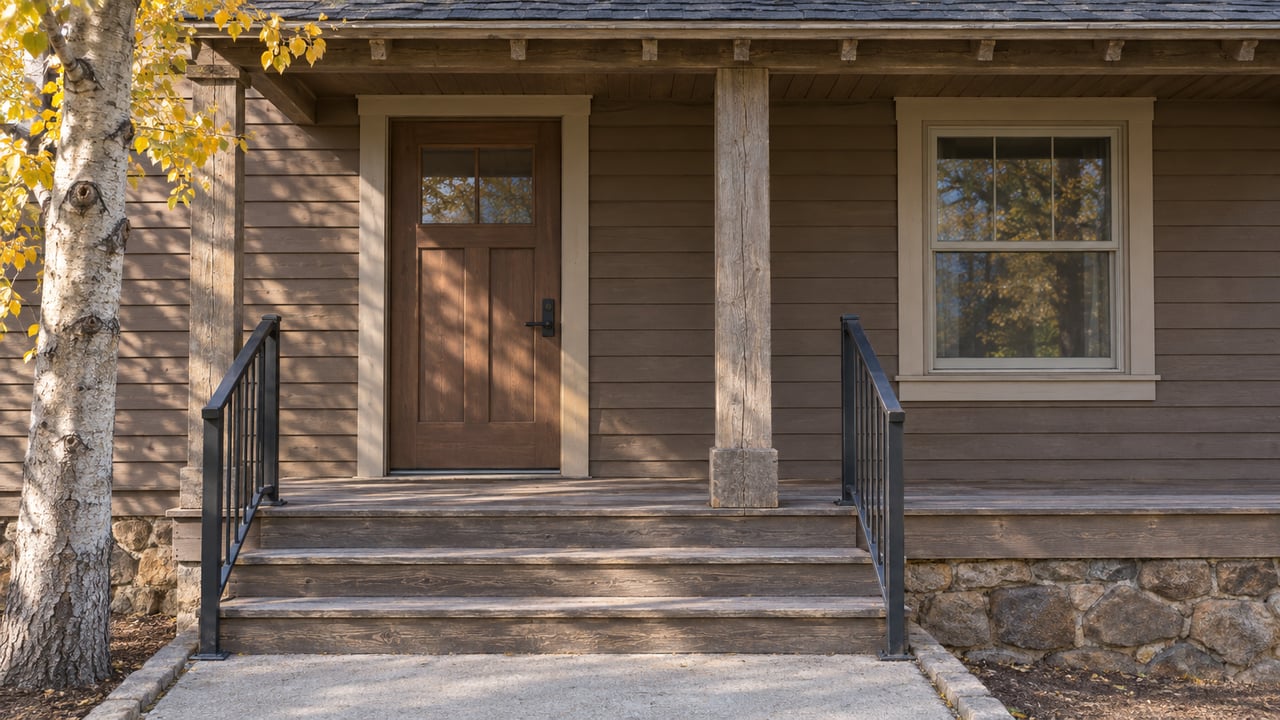
Windows and doors are expected to have wood or natural wood-looking trim. For you as a buyer, this means newer construction often shares a cohesive visual character, but it also means custom design choices are shaped by established guidelines.
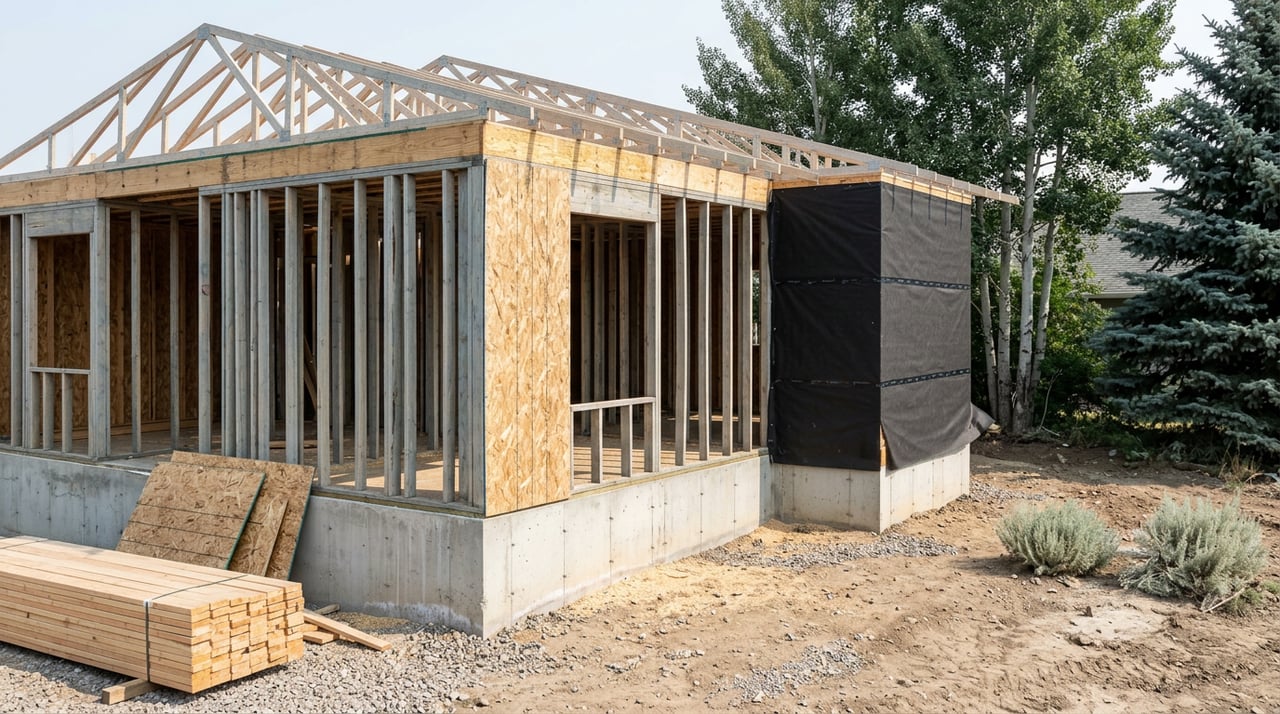
A polished kitchen is easy to notice. Proper engineering, drainage, roof design, and site grading are not.
Gunnison County’s climate design criteria require site-specific snow load design in unincorporated county, along with a 104 mph 3-second-gust wind speed for exposure C, a 36-inch frost line, severe weathering exposure, and required ice-barrier underlayment. Those standards reflect the realities of building in a high-elevation climate.
The county has also adopted the Colorado Wildfire Resiliency Code with local amendments, and its wildfire guidance includes Class A roof requirements and ignition-resistant material expectations in higher-risk areas. It also maintains dark-sky exterior-lighting rules for unincorporated areas.
The CB South design guidelines further require foundation, framing, and roof plans to be certified by a Colorado-licensed professional engineer or architect. That is a strong reminder that what is behind the walls and under the roof deserves close review.
If you are comparing new construction in Crested Butte South, keep your questions practical and site-specific. The best homes here usually work well not just on closing day, but through winter, runoff, and long-term ownership.
A strong buyer checklist includes:
If rental flexibility matters to you, verify the current association rules before you write an offer. The covenants state that short-term rentals are allowed only up to 90 days per calendar year, and they also place limits on how primary residences and accessory dwelling units may be rented.
Buying new construction in CB South often looks simple from the outside. In reality, the best buying decisions usually come from understanding the site, the approvals, and the construction details that shape long-term value.
That is especially true if you are weighing a newer resale against a vacant lot, a spec home, or a project still in progress. When you know what to check, you can avoid surprises and focus on the properties that truly fit your goals.
If you are considering new construction in Crested Butte South and want clear, informed guidance on lots, newer homes, or development fit, reach out to Jennifer O'Brien for thoughtful local advice.
Stay up to date on the latest real estate trends.
Our energy and enthusiasm shine through in our work for buyers and sellers. We know that listening is the best way to understand our client’s needs and we work with an unrivaled sense of personal commitment to producing results.