Septic Inspection Timing and Sale Deadlines in Gunnison
August 13, 2026
August 13, 2026
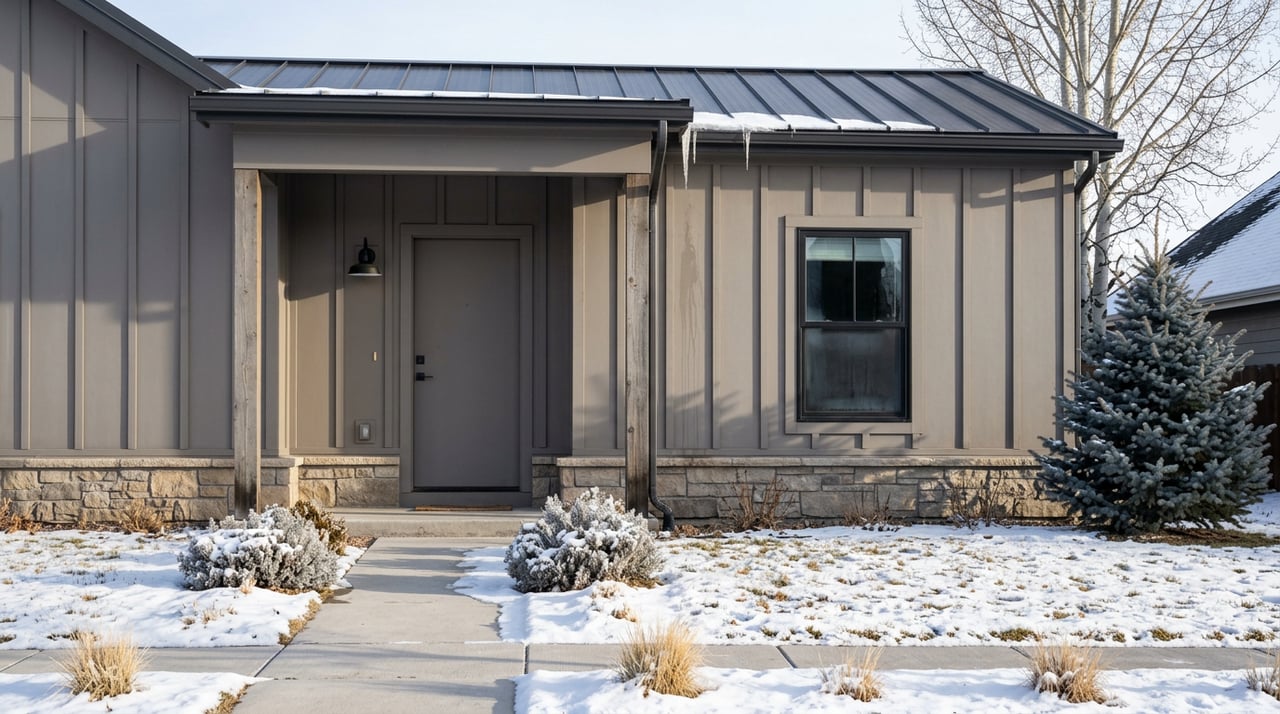
Picture a listing that goes under contract in Gunnison in December. The buyer's lender wants a septic inspection before closing, which is standard practice for a rural property outside town water and sewer service. The inspector shows up to find the tank lid buried under eighteen inches of snow, the ground around it frozen solid, and no way to safely dig it out before the contract deadline. This is not a hypothetical. It is exactly the scenario the Gunnison County Association of Realtors raised when county officials began discussing tighter septic rules, and it points to something buyers and sellers in this valley need to understand before they set a closing date: the biggest risk in a septic-served sale here often has less to do with the system itself and more to do with when on the calendar you try to sell it.
Gunnison County already has a formal path for verifying a septic system at the point of sale. The county publishes a Transfer of Title Inspection Report and a Transfer of Title Acceptance Document application, and the inspection behind it has to be performed by an inspector certified through the National Association of Wastewater Technicians for a conventional system. There is a $60 application fee, and the county's goal is to turn around a complete application within two working days, workload permitting.
What has not been true everywhere in the county is that every sale automatically triggers this process. Colorado's statewide septic standard, Regulation 43, leaves that decision to local health boards. As the regulation itself puts it, a local board of health "may choose to require" an inspection before a sale, but is "not required to develop a transfer of title inspection program." Gunnison County has had the machinery in place for years. Whether it applied to your specific sale has depended on local policy, which is exactly what the county spent last winter revisiting.
In late November 2025, the Gunnison Country Times reported that the county's Environmental Health Board was considering a rule that would make septic certification mandatory before any property title transfer, not just a case-by-case option. The push came from the state level. The Times reported that the state's Water Quality Control Division had revised Regulation 43 and given local jurisdictions, Gunnison County included, until June 30 of that year to adopt rules at least as strict as the new statewide floor. Whatever year that specific deadline landed in, it has already come and gone by now, which means the county's board has had to settle this one way or another.
Crystal Lambert, the county's Building and Environmental Health Official, told the Times that staff had discussed the need for a stronger inspection requirement for years, pointing to an aging stock of septic systems across the county and the amount of staff time spent helping new owners troubleshoot systems they inherited without knowing their condition. Building inspections are already routine in a real estate transaction; treating a septic system similarly could close a gap.
The realtor community's response was not opposition to the idea. It was a warning about timing.
"In terms of timing, buyers and sellers are already faced with challenges due to the climate of Gunnison County. If septic inspections would be required in order to close on a property, I think we worry most about buyers and sellers being further restricted, because it's going to limit and/or eliminate their ability to buy and sell during the winter months."
That is Jaima Giles, board chair of the Gunnison County Association of Realtors, quoted in the same Times report. Her concern was not the rule itself. It was what happens when a mandatory inspection collides with a mountain winter and a thin bench of qualified inspectors.
Here is the part that matters whether or not the mandate ends up airtight in every corner of the county: the inspection has to be done by someone certified to do it, and that list is short. The county maintains a roster of licensed septic installers and cleaners, but installing or cleaning a tank is a different credential from being certified to perform the specific inspection a transfer of title requires. Alpenglow Septic, owned and operated by Adam Stowell, is one local example. Stowell holds the Colorado Certified Septic Inspector credential and performs inspections for real estate transactions and title transfers, work that sits apart from routine tank pumping.
When a valley this size funnels every septic-served closing through a small number of NAWT-certified inspectors, two things become true at once. First, winter access problems get worse, not better, because you cannot simply reschedule around snow when everyone else with a pending sale is trying to do the same thing. Second, the busiest listing months, typically spring and summer, put pressure on the same limited inspector pool from the opposite direction: more transactions competing for the same calendar.
| Season | What limits the inspection | The county's built-in workaround |
|---|---|---|
| Winter (roughly November through April) | Snow cover and frozen ground can block physical access to the tank lid | A Conditional Acceptance Document, valid until closing or for up to 24 months, when snow prevents a full inspection |
| Spring and summer (roughly May through October) | Higher transaction volume competes for the same small pool of NAWT-certified inspectors | Booking the inspection in the first days under contract rather than near the closing deadline |
The conditional acceptance option is worth understanding in detail if you are buying or selling a septic-served home here. Gunnison County's own application documents spell out that when snow cover prevents a complete inspection, the department can issue a conditional acceptance rather than holding up the whole transaction, provided certain conditions are met. It is a practical release valve, but it only works if your contract, your lender, and your inspector all know it exists before you are three days from closing.
If you're selling a septic-served home in Gunnison this year, treat the inspection like the survey or the appraisal, something you schedule the week you go under contract, not the week before closing. If you're buying, ask your agent early whether the seller's system has ever been inspected under the county's transfer of title process, and if not, build the lead time into your contract dates rather than assuming a quick turnaround in January.
A few underlying rules are worth knowing regardless of season. As Septic Tank Hub reports, Colorado requires an engineered design for any septic system installed above 8,000 feet in elevation, which covers a meaningful share of property in this county. Setback rules keep a septic tank at least 50 feet from a well and a drain field at least 100 feet away, and Gunnison County requires a minimum one-acre, single contiguous parcel to install a system at all. None of these are new rules created by the recent proposal, but they shape what a buyer can and cannot do if a system ever needs to be replaced rather than simply certified as functioning.
Cost estimates for the inspection itself vary depending on who you ask, generally landing somewhere between a couple hundred dollars and closer to nine hundred, depending on the scope of work and whether pumping is included. Lambert herself told the Times there is flexibility built into the process, noting that a buyer and seller can negotiate who pays for the inspection, which is one more reason to raise the topic in your offer rather than after an inspector is already standing in the yard.
Do I have to get a septic inspection to sell my home in Gunnison right now? It depends on your specific property and where the county's process stands as it finishes implementing the state's revised standard. Regardless of the final mandate, the county's Transfer of Title Acceptance process already exists, and buyers, lenders, and title companies increasingly ask for it as standard practice.
What happens if snow covers the septic system before my closing date? Gunnison County's application process includes a conditional acceptance option specifically for this situation, valid until closing or for up to 24 months, so a snow-covered tank does not have to derail your timeline if you plan for it.
Who pays for the septic inspection, the buyer or the seller? Colorado's rule does not assign this by default. It is a negotiable term, which means it belongs in the conversation when you write or review the offer, not after the inspector has already been out.
Septic timing is exactly the kind of detail that separates a smooth closing from a stressful one, and it's the sort of local mechanics The O'Brien Group walks clients through every day, whether you're listing a Gunnison property this season or writing an offer on one. If you're weighing a sale or a purchase in the Gunnison valley, reach out before you set a closing date, not after.
This article is general information, not legal, tax or financial advice. Consult a qualified professional about your situation.
Stay up to date on the latest real estate trends.



Our energy and enthusiasm shine through in our work for buyers and sellers. We know that listening is the best way to understand our client’s needs and we work with an unrivaled sense of personal commitment to producing results.